In today’s digital world, social media definitely plays a major role in shaping how people receive, share and interpret information, especially when it comes to sports. Major platforms like Instagram, TikTok, and Twitter are huge sources for posting highlights, fan reactions, and important news. Misinformation is a major issue due to the constant flow of content surrounding sports. This blog is aimed to inform everyday sports fans, especially college students who rely on these platforms to stay involved and updated. I am going to break down how misinformation shows up in sports, how the online world spreads it and what you can do about it.
What Sports Misinformation Looks Like:
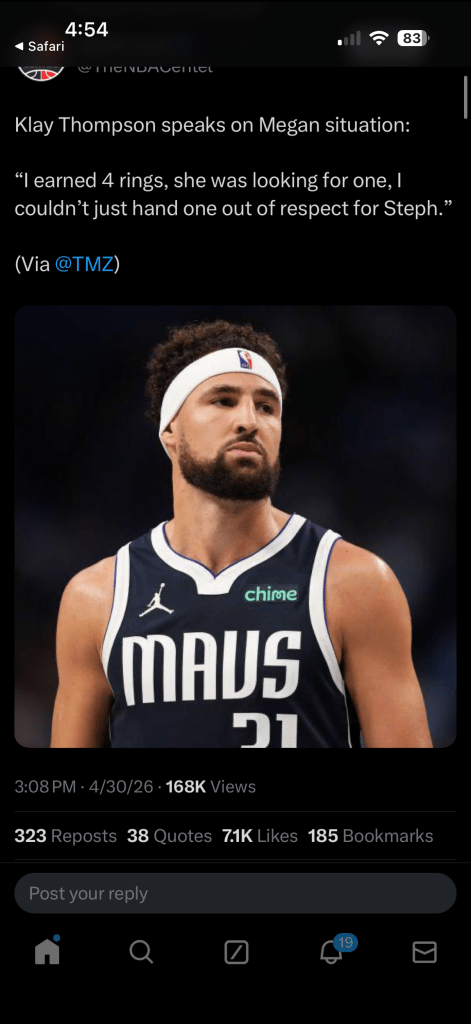
You can honestly find misinformation in sports everywhere once you start paying attention to it. It can be anything from fake trade rumors to incorrect injury reports or even edited highlight clips that leave out context. While looking into this, I found out a big problem is fake insider accounts that try to pose as real reporters. I found accounts that were pretending to be Adam Schefter who is a long time NFL reporter for ESPN. These fake accounts will post “breaking news,” and a lot of people will believe it without double checking, because they think they are a real reporter. This type of information spreads rapidly because as a fan you want updates quickly, and you think you are getting it from a reliable source. I saw it especially during major sports outings, like the Playoffs or the Super Bowl because people are constantly refreshing their feeds so false information can almost immediately go viral. According to On the Minute, “70% of football fans admitted to believing false rumors.” This just shows that the fast spread of misinformation is believed by over half of sports fans viewing it, which is pretty crazy to think about.
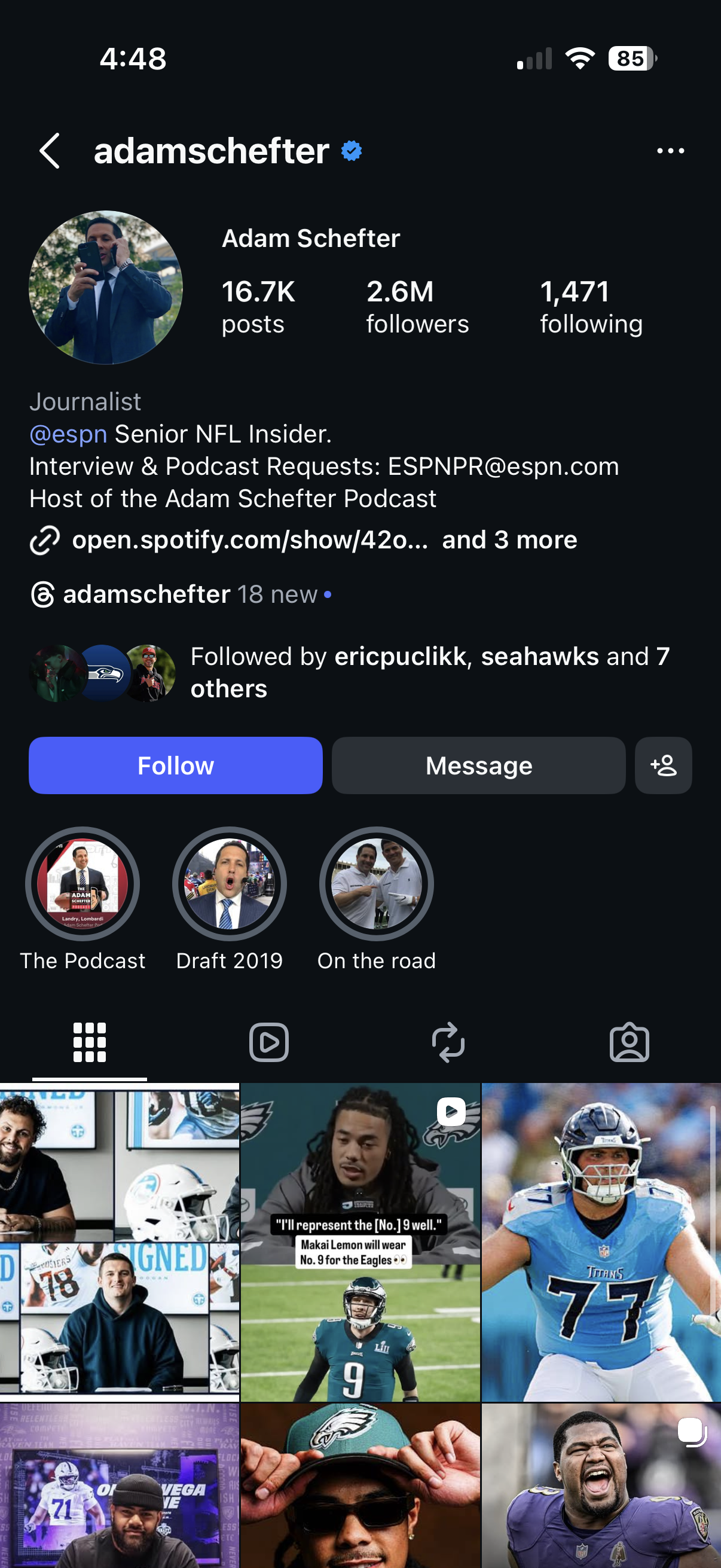
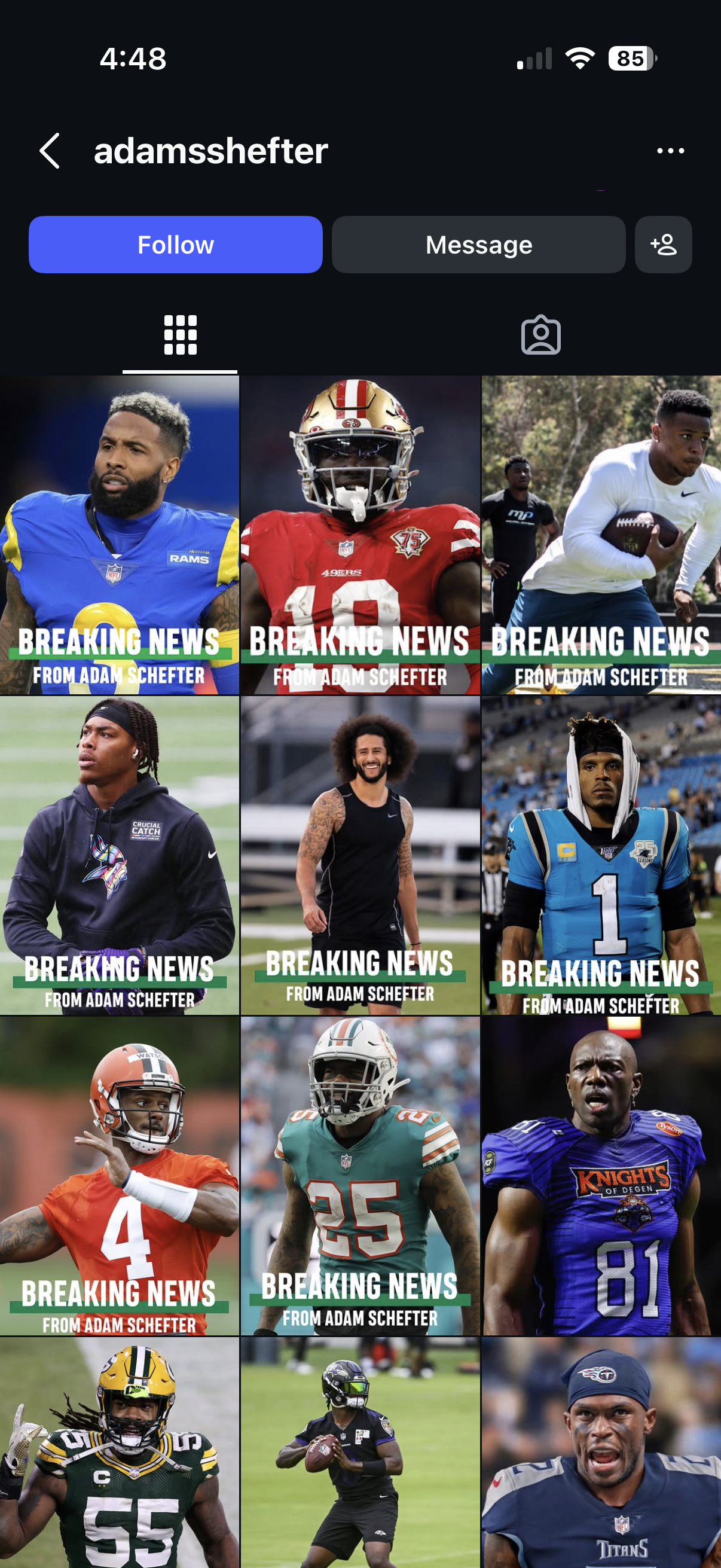
(Fake Adam Schefter Account VS Real Account)
Propaganda & Bias in Sports Media:
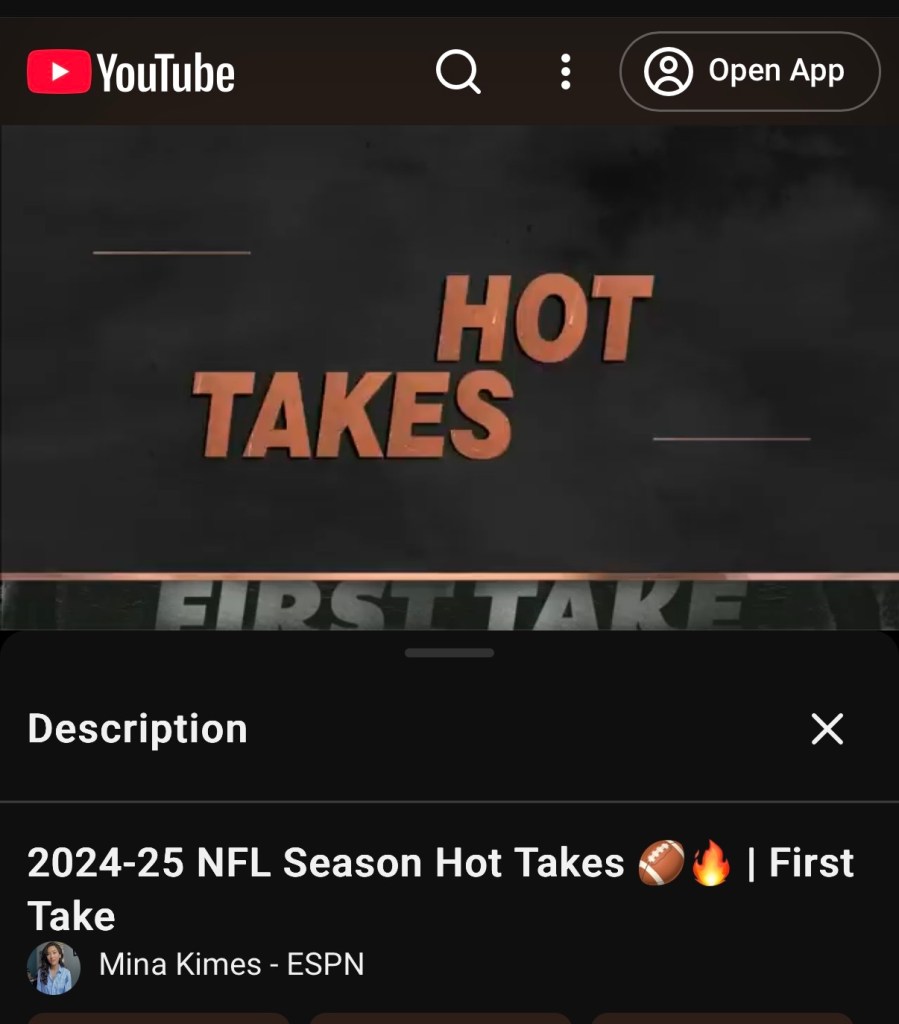
Even though sports most of the time feels like entertainment there are still definitely persuasion techniques that are being used. One of the biggest is when the media or fans push the idea that everyone supports a certain team or player so you should too. This is called the bandwagon effect. I think ESPN is a good example of this due to the fact that they are a sports debate show. They mainly focus on hot takes and strong opinions because it really engages their audience. Yes, it is entertaining, but it doesn’t mean it is always the most accurate or balanced information, it could just be based on their existing beliefs around a sports team etc. You also see a lot of biases when it comes to sports. This usually comes from the fact that if you don’t like a certain player or team, you are a lot more likely to believe a negative rumor about them. Also, if you really like a certain player or team, you will probably re-share information promoting them even if it isn’t confirmed. Springer Nature did a good job at explaining this by stating how “Research confirms that confirmation bias drives selective exposure and motivated reasoning, which are key mechanisms in the acceptance and dissemination of misinformation. People are more likely to believe and share false information when it conforms to their existing ideological predispositions.”
How Algorithms Can Push Content, True or Not:
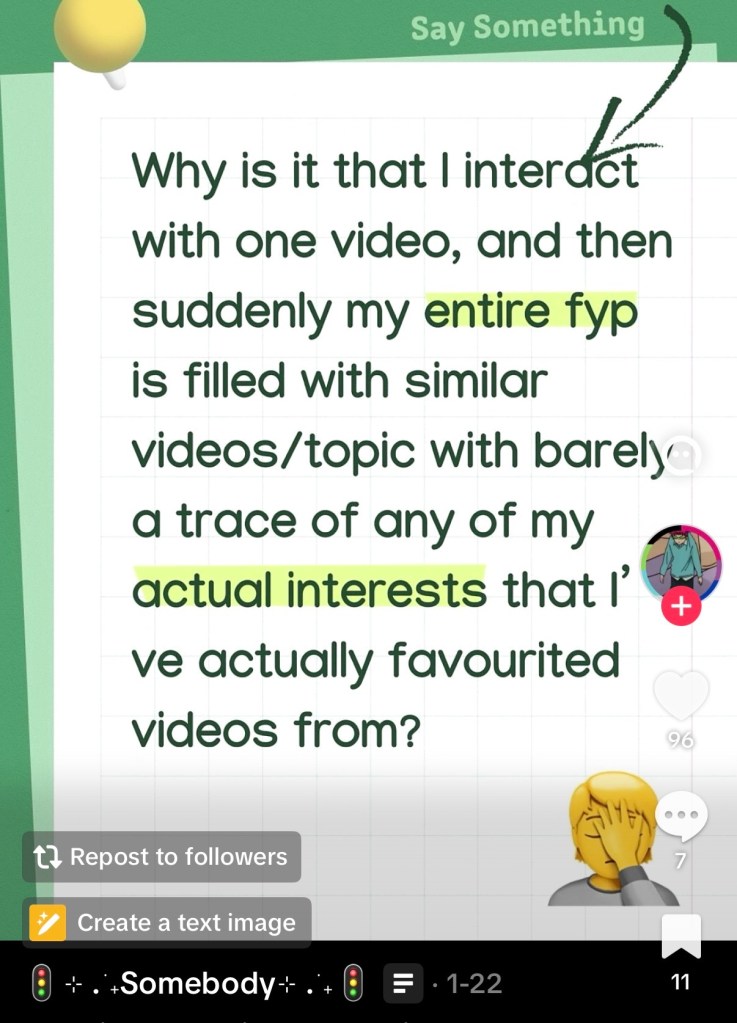
I also believe one of the biggest reasons misinformation spreads is due to algorithms. Again, big platforms like TikTok and YouTube are mostly designed to show content that you interact with. This just means that if you like or watch one super popular controversial sports video, you’ll most likely see that same type of content over and over again. Over time this just creates a feed where you only see one side of things. ORF explained that “this process also works as an amplifier because posts with higher engagement or shares quickly tend to gain popularity, and viral trends sometimes emerge in this process, which could then be the only thing you see for a while.” This just goes to show that the media we consume might not even be true, it could just be posts that are popular, and if you view it could completely reshape your algorithm causing you to most likely believe it.
The Rise of AI in Sports Content:
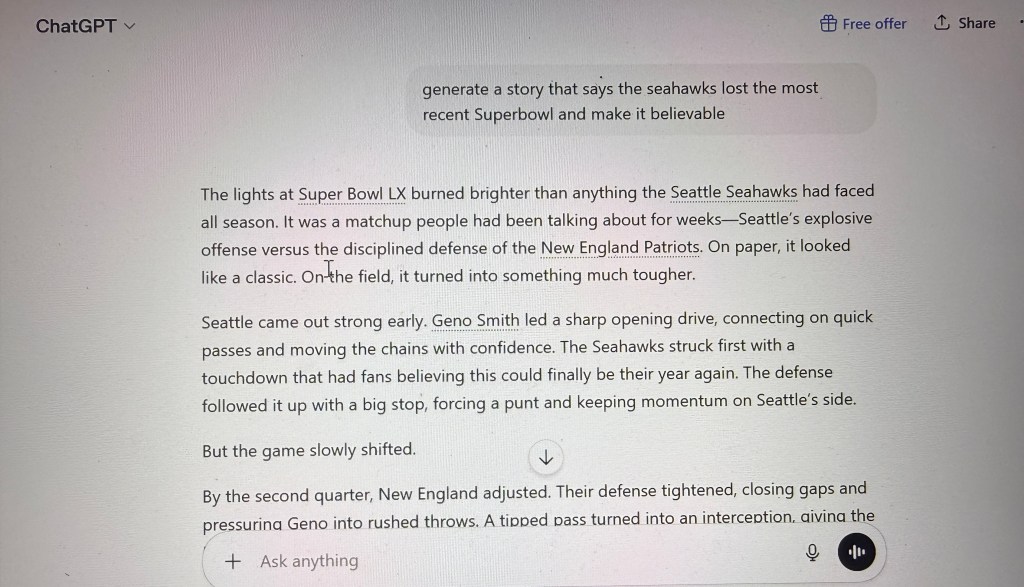
AI is also starting to play a major role in sports media. ChatGPT is a very popular AI tool that can quite literally write articles, captions, and summaries very quickly. It might sound helpful, but it definitely creates a lot of problems. AI makes mistakes and also creates information that sounds real but isn’t actually true. There have been multiple stories around articles being put out there that were written by AI generated sources. A lot of the time this type of content is believed because it seems very factual and well structured, even though it is literally written by a bot. An article I read by Futurism even pointed out how some bigger news outlets were publishing articles made by AI. “Sports Illustrated Published Articles by Fake, AI-Generated Writers. We asked them about it — and they deleted everything.” This is why it is so important to double check sources because anyone can create a prompt about sports and have it written/ posted within seconds.
How To Stop Sports Misinformation:
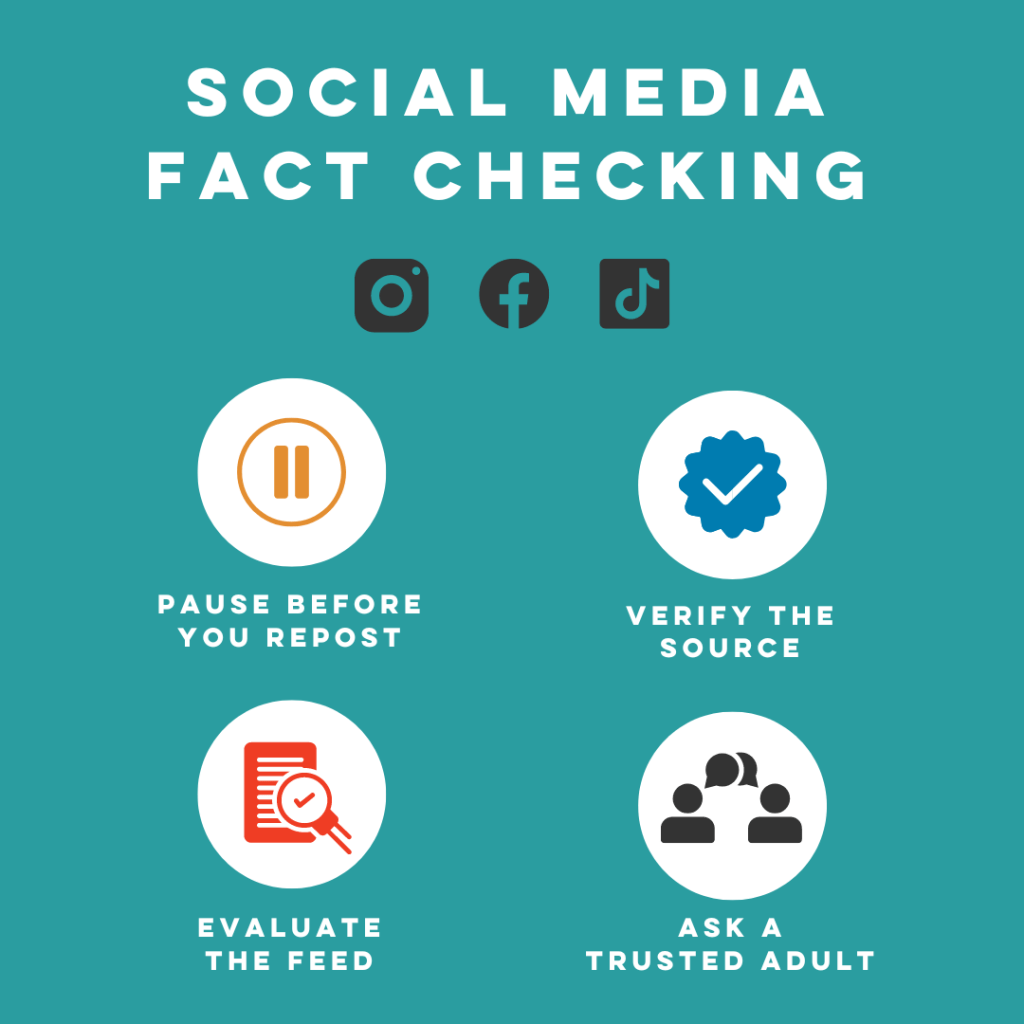
I think the best way to be smarter about the way we consume sports media is to be aware about the fast spread of misinformation. You should always check if an account is a verified or trusted source and be very careful with viral posts! Honestly the main thing is just don’t believe something immediately because it matches your opinion; just because something looks relatable doesn’t mean it is always accurate! Double check, triple check, honestly anything is better than just saying yeah, I saw this little snippet and I believe it.
Final Thoughts:
Overall, sports media is definitely changing a lot because of our online world. Social media makes it so much easier to stay updated, but it also makes it easier for misinformation to spread. Fake accounts, biased takes, algorithms and AI are major issues surrounding misinformation. I do think platforms are trying to improve, but nothing is perfect just yet. I believe fans have a responsibility to be more aware of what they are consuming, and to also have a little push to take the extra few seconds to fact check something. I’m a major sports fan and always will be, but this has honestly been eye-opening for me. I think understanding how to tell what’s real and what’s not and also realizing how relevant misinformation is within the sports world will make us better fans overall!


Leave a comment